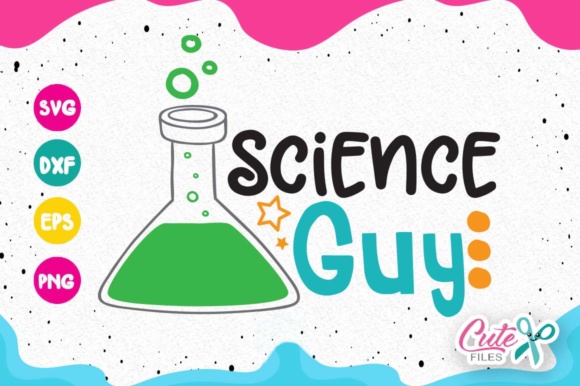
Science Guy, Boy, Science Class, Back to School: Bringing the Lab to Life Through Hand-Designed Art
There is a moment in every classroom when a concept clicks. A student leans forward, eyes widen, and the abstract becomes tangible. That spark of understanding is what makes science education memorable. Now imagine carrying that same energy beyond the classroom walls, onto a T-shirt, a towel, or a personalized cup. That is the premise behind the hand-designed collection featuring the Science Guy, a curious Boy, an engaging Science Class, and the annual return to the classroom with Back to School. This is not just clip art or generic stock imagery. Each element has been drawn by hand, giving educators, creators, and small business owners a toolkit that feels intentional and alive.
For anyone who produces educational content, markets to families, or runs a print-on-demand shop, this set offers more than decoration. It offers a visual language that connects directly with the back-to-school season, the culture of inquiry, and the joy of discovery. The question is not whether these designs look good, but how to integrate them into your workflow so they perform consistently across products and platforms.
What This Hand-Designed Collection Actually Contains
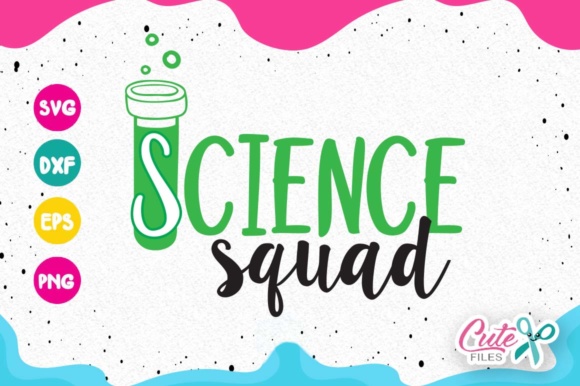
The set revolves around four interconnected themes. The Science Guy represents the enthusiast, the mentor, the person who makes experiments feel like adventure. The Boy is the learner, curious and ready to engage. Science Class captures the environment where questions are asked and hypotheses tested. Back to School ties it all together with the seasonal energy of fresh notebooks, new supplies, and renewed focus. Because each element is hand-designed, there is a warmth and slight irregularity that digital-only assets often lack. That human touch translates well onto physical goods, where texture and authenticity matter.
These files come ready for production. You can place them on T-shirts, decorate cups, print onto towels, or personalize notebooks, pencil cases, tote bags, and more. The hand-drawn quality means they hold up well on fabric and ceramic surfaces, where overly crisp vector art can sometimes feel cold or corporate.
Where This Fits in a Broader Workflow
If you run a print-on-demand store, create classroom decor, or manage a small brand that targets parents and teachers, you already know that seasonal timing matters. Back-to-school is not a single day. It is a six-to-eight-week window when buying behavior shifts. Customers are looking for items that signal readiness, enthusiasm, and a positive attitude toward learning. This collection plugs directly into that window.
In a typical workflow, you would start by identifying your product categories. T-shirts are the obvious entry point, but cups and towels offer higher margins and lower competition. Once you decide on the product, you select the design that fits the mood. The Science Guy works well on adult-sized apparel for teachers or science club leaders. The Boy and Science Class pair naturally on kids' items or classroom accessories. Back to School works across the board as a seasonal anchor.
The hand-designed nature of the files means you do not need to spend hours tweaking or reworking the art. You drop it into your template, adjust sizing for the product mockup, and export. If you produce in bulk, you can batch by theme and apply the same design to multiple surfaces. Consistency from cup to towel to T-shirt reinforces your brand presence.
Preparation and Compatibility Considerations
Before you start producing, check the file format and resolution. Hand-designed elements often come as high-resolution PNG or layered PSD files. If you use a print-on-demand service like Printful, Printify, or a local sublimation printer, confirm that the file meets their requirements for DPI and color space. Most hand-drawn art works best at 300 DPI with a transparent background for apparel, and a white underlay for ceramic or polyester surfaces.
Compatibility also extends to your design software. Whether you use Photoshop, Illustrator, Canva, or Affinity, make sure you can import the files without losing the hand-drawn texture. Some platforms compress images aggressively, which can flatten the subtle strokes that make hand design appealing. If you notice quality loss, consider uploading the art directly to your printer rather than running it through an additional platform layer.
Practical Implementation Across Use Cases
Let us walk through three realistic scenarios where this collection integrates smoothly into a working routine.
Scenario one: an educator building a classroom brand. You teach middle school science and want to create a cohesive visual identity for your classroom. You order a set of towels for the lab area with the Science Guy design, a mug for yourself with the Science Class motif, and a few T-shirts for student lab assistants featuring the Boy. The hand-drawn look signals approachability. Students see the same imagery every day, reinforcing a culture of curiosity. Over time, these items become part of the classroom environment, not just decorations.
Scenario two: a print-on-demand seller planning a back-to-school drop. You list six products in your store: three T-shirt variations (Science Guy, Boy, Back to School), two cup styles (Science Class and Back to School), and one towel with the Boy design. You stagger the release across two weeks leading up to the first school day. Each listing uses high-quality mockups with the hand-drawn art clearly visible. Because the designs are pre-made, your time investment is limited to writing product descriptions and setting pricing. The organic search traffic for back-to-school keywords supports your listings without heavy ad spend.
Scenario three: a freelance designer creating a back-to-school bundle for clients. You offer custom classroom kits to local elementary schools. The hand-designed elements become the core visual assets. You combine them with your own typography and color palette, creating a unified look that the school can use on posters, newsletters, and merch. This saves you the hours you would normally spend sketching original illustrations from scratch. You pass that efficiency on to your clients as faster turnaround or lower cost.
Managing Consistency and Quality Control
When you apply the same design to different objects, consistency matters. A design that looks balanced on a flat T-shirt mockup may appear cramped or stretched on a curved cup surface. Always test print before running a full batch. Request a sample from your printer and evaluate the hand-drawn lines. Are they crisp enough? Does the color bleed? Does the scale feel right for the object size?
For towels, pay attention to weave direction. Hand-drawn lines can get lost in high-pile textures. A simpler version of the design, or one with thicker strokes, often performs better. For cups, consider the grip area. If the design wraps around, make sure the boy or the science glassware is not split awkwardly by the seam.
Long-term use also requires file organization. Name your files clearly—ScienceGuy_Tshirt_300dpi.png, Boy_Towel_CMYK.psd, BackToSchool_Cup_transparent.png—so you can find them quickly during seasonal rushes. Store backups in at least two locations. If you sell through multiple platforms, keep a master folder with the original hand-designed files and separate folders for each platform's preferred format.
How This Collection Interacts with Other Resources
Hand-designed assets pair well with other educational and lifestyle content. If you already have a library of quotes about learning, growth mindset statements, or STEM facts, overlay them onto the designs. The Science Guy holding a beaker works beautifully with a line like "Mistakes are proof you are trying." The Boy looking through a microscope pairs with "Curiosity is the engine of achievement."
You can also combine the elements with seasonal color palettes. Back-to-school traditionally leans on warm oranges, deep blues, and bright whites. But hand-drawn art also works in muted earth tones or monochrome, which appeals to adults who prefer subtlety. If you market to teachers, consider offering a neutral version with soft grays and cream backgrounds. If you target students, go bolder.
On the business side, these designs integrate with your existing marketing channels. Use them in email newsletters announcing your back-to-school collection. Feature them on social media with short captions about the nostalgia of science class. Include them in blog posts about preparing for the school year. Each appearance reinforces the visual identity you are building.
Observations on Long-Term Use and Efficiency
One advantage of hand-designed files is their longevity. Trend-based vector art often feels dated after one season. Hand-drawn illustrations, especially those rooted in timeless themes like science and learning, remain relevant year after year. You can reuse the same core designs each back-to-school cycle, rotating which products they appear on. This amortizes your cost across multiple seasons and reduces the need for constant new创作.
Efficiency also comes from batch processing. Once you have your mockups set up for one product category, you can swap in different designs from the same collection without rebuilding the template. The Science Guy and the Boy share similar structural elements—centered figures, clear silhouettes—so you can maintain layout consistency with minimal adjustments. Over time, you develop a library of product templates that are pre-optimized for hand-drawn art, cutting production time in half.
Making the Decision to Add This to Your Toolkit
For anyone who works with educational content, seasonal merchandise, or personalized goods, this collection offers a low-friction entry point. The hand-designed quality sets it apart from mass-produced alternatives. The thematic connection to science and school gives it a natural audience. And the versatility across T-shirts, cups, towels, and other objects means you can test multiple product types without committing to a large inventory.
Whether you are a teacher setting up your classroom, a small business owner planning a seasonal launch, or a creator building a brand around learning, these elements give you a visual foundation that is ready to use. The work of designing has been done. Your job is to place it where it will be seen, worn, and remembered.