The Strategic Value of Back to School Backgrounds in Modern Creative Campaigns
Every August, the visual landscape of marketing and content creation shifts. The familiar icons of notebooks, pencils, apples, and chalkboards begin appearing across social media feeds, e-commerce banners, and email newsletters. This seasonal visual language, commonly referred to as the Back to School Background, is far more than a simple design asset. It represents a strategic opportunity for professionals, creators, and business owners to connect with audiences during a high-engagement period. Understanding how to use a Back to School creative background effectively requires moving beyond surface-level decoration and into the realm of intentional brand storytelling, audience psychology, and content planning.
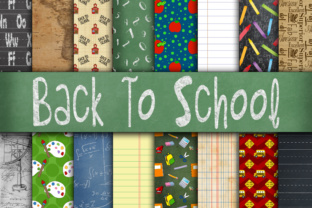
The concept of a "back to school background" encompasses graphic templates, vector illustrations, layered textures, and photography compositions that evoke the educational setting and the transitional period between summer and fall. These assets are used in digital advertising, social media posts, printed materials, website headers, product photography backdrops, and even in digital products like stationery or virtual classroom environments. However, the value of these backgrounds today extends far beyond the classroom. They are now integral to how brands participate in cultural moments, how creators structure their content calendars, and how entrepreneurs position their products within a seasonal narrative.
Why Back to School Backgrounds Matter in a Crowded Visual Market
In an era where consumers are bombarded with thousands of marketing impressions daily, visual differentiation has become a critical success factor. The Back to School Background provides a ready-made visual anchor that signals relevance and timeliness. When a brand consistently uses relevant seasonal elements like open notebooks, vibrant stationery, or warm academic tones, it communicates that the brand is paying attention to the audience's current context. This is not about cluttering a design with school-related icons. It is about selecting a background that resonates with the emotional and functional realities of the period: new beginnings, organization, focus, and preparation.
Consider the creator economy, where influencers and content producers rely on a steady stream of engaging visuals. A Back to School creative background allows them to rapidly produce content that aligns with trending topics. Educational content creators can use subtle classroom backgrounds to reinforce their thematic consistency, while lifestyle influencers can use back-to-school motifs to promote products ranging from planners and apparel to technology accessories. The background becomes a non-verbal signal of relevance, increasing click-through rates and engagement.
For entrepreneurs launching seasonal products, the visual context of a back-to-school background helps buyers mentally frame the product's utility. A glass water bottle photographed against a desk with textbooks and a calendar instantly communicates "essentials for the new term" in a way that a plain white background cannot. This contextualization is a form of implicit marketing that relies on the audience's pre-existing associations.
The Shift from Generic to Intentional Backgrounds
Many professionals still view background assets as afterthoughts—generic filler that adorns a composition. The growing sophistication of content strategies demands otherwise. Today's audiences are visually literate; they recognize stock imagery that feels disconnected from the brand or message. The most effective use of a Back to School Background involves customization: layering brand colors over classroom photography, adding subtle textures like graph paper or lined notebook patterns, or using a muted version of a school-inspired image to allow foreground text to shine.
This shift aligns with broader trends in design and technology. The rise of design tools that offer drag-and-drop templates has made it easier for non-designers to apply professional-looking backgrounds. However, the skill lies in selecting the right background from the vast libraries available. A Back to School creative background should not scream "school" so loud that it overwhelms the primary message. Instead, it should whisper the context. A soft watercolor illustration of a school building, combined with a geometric overlay, can serve as a background that adds the right emotional tone without distracting from a call-to-action.
Moreover, the demand for authenticity has pushed creators to seek backgrounds that reflect real-life diversity. Stock images of classrooms from ten years ago no longer resonate. Modern audiences expect representations that include various ages, learning environments (including online), and cultural symbols. A background showing a laptop next to a cup of coffee and a notepad, with a blurred cityscape through a window, speaks to the reality of adult learners and remote workers who still participate in "back to school" rituals even outside formal institutions.
Aligning with Broader Market and Consumer Trends
The relevance of back-to-school backgrounds is not limited to the education sector. It intersects with broader consumer behaviors and market cycles. Retailers, for example, rely on back-to-school as the second-largest shopping season in many countries after the winter holidays. Every brand, from apparel to electronics to home goods, can leverage the momentum. The visual background becomes the entry point into that shopper mindset. A furniture brand might use a background of a cozy dorm room to promote storage solutions. A software company could show a digital dashboard with a subtle school-themed background to emphasize productivity and organization for the new season.
Technology and lifestyle trends also play a role. The normalization of remote and hybrid learning has expanded the definition of "school" beyond the physical building. A Back to School Background today can just as easily depict a home study nook, a co-working space, or a tablet screen with digital textbooks. This broadening makes the backgrounds more accessible for creators who previously might not have considered education-themed visuals relevant to their niche. Freelancers producing content for parents, teachers, or lifelong learners all benefit from this visual vocabulary.
Additionally, the creator movement and the growth of print-on-demand small businesses have made seasonal backgrounds an essential component of product listings. A background that clearly communicates "back to school" helps products rank higher in searches on platforms like Etsy or Amazon, where visual relevance affects buyer decisions. Sellers of niche educational products, such as lesson plan templates or classroom decor, use these backgrounds to create cohesive product photography that stands out in search results.
Practical Applications: How Professionals Are Using These Backgrounds Today
Marketing professionals often structure their content calendars around the back-to-school period. A well-chosen background can support a sequence of campaign assets: announcement posts highlighting promotions, educational infographics about new learning trends, behind-the-scenes content showing teacher preparation, or user-generated content featuring customer stories. The background serves as a visual thread that ties these diverse pieces together without requiring a complete redesign for each asset.
For social media managers, attention spans are short. A Back to School creative background that uses bold, contrasting colors can stop the scroll. Many creators combine these backgrounds with overlays of pattern designs (like polka-dot paper or grid layouts) to add texture that engages the eye. One notable approach is the use of "notebook paper" backgrounds with stationery clips or sticky notes as framing devices. This type of background resonates because it mimics the physical tools of planning and education, which audiences associate with productivity and structure.
Email marketers find that seasonal backgrounds increase open rates and click-throughs when used appropriately. The top third of an email, which contains the hero image with a background, sets the emotional tone. Using a Back to School Background with warm yellows, oranges, and deep greens can evoke the feeling of autumn and new beginnings, encouraging subscribers to read the latest content about goal-setting or organizational products.
Web designers likewise use these backgrounds as hero section imagery or as subtle patterns behind content. A blog post about "10 Tips for a Productive Semester" can have a background of tightly spaced graph paper with a textured chalkboard overlay, creating an immersive reading experience. The key is to ensure the background does not compromise readability or accessibility—a common pitfall. Professionals often apply a semi-transparent gradient or a blurred version of the background behind text to maintain contrast.
Real-World Observations: From Educators to Entrepreneurs
Educators themselves are a growing audience for these backgrounds. Teachers creating digital resources for their classrooms—such as slides, worksheets, and virtual classroom banners—require visually appealing Back to School creative background assets that are child-friendly yet not too cartoonish. They need options that are inclusive, culturally sensitive, and adaptable for different learning objectives. On platforms like Teachers Pay Teachers, the use of backgrounds often determines the success of a resource, as educators browse by visual appeal before downloading.
Similarly, entrepreneurs in the online course space use these backgrounds to create a professional aesthetic for their course previews, landing pages, and social proof graphics. A course about study skills or time management benefits from a background that includes elements like calendars, sticky notes, and pencil sketches. The visual consistency reassures prospective students that the course is well-designed and credible.
The creative industry, including graphic designers and illustrators, has observed an uptick in demand for custom back-to-school backgrounds that break away from clichés. Instead of apples and chalkboards, designers now create abstract compositions using school-inspired shapes, pastel gradients, and minimalist typography. This evolution reflects a desire for backgrounds that feel fresh and modern while still carrying the cultural weight of the season. These designers are essentially responding to the changing aesthetic expectations of brands and consumers who want seasonal content without being predictable.
Looking Ahead: The Ongoing Relevance of Seasonal Visual Assets
The importance of the Back to School Background and Back to School creative background will likely persist as long as there are cyclical moments in the consumer calendar. However, the way these backgrounds are used will continue to evolve. With the rise of artificial intelligence image generation, creators can now generate unique backgrounds tailored to very specific prompts. Yet human judgment remains essential for selecting the right tone, color palette, and level of detail that aligns with brand strategy. The background is not just a visual placeholder; it is a contextual cue that can make an audience feel seen, understood, and motivated to engage.
For professionals, creators, and entrepreneurs, the lesson is clear: treat back-to-school backgrounds as a strategic design asset, not a seasonal afterthought. Consider how the background reinforces the message, resonates with the audience's current mindset, and differentiates the content in a crowded information space. By doing so, the humble background becomes a powerful tool for building connection, driving conversions, and maintaining a consistent brand presence throughout the year's most dynamic season.
Ultimately, the most successful applications of back-to-school backgrounds are those that balance thematic clarity with creative flexibility. Whether it's a photograph of a sunlit desk, a vector illustration of fluttering papers, or an abstract pattern of graduation caps, the best backgrounds invite the viewer into a story rather than simply decorating the page. That storytelling function is why these assets will remain indispensable for anyone who communicates visually during the back-to-school period.